Clean Energy
What is New Belgium doing to fight climate change and save beer?
Reducing our emissions
This includes installing solar panels, creating electricity from wastewater, capturing and reusing heat in the brewing process, achieving LEED certification on new buildings, and more. Fat Tire is also America’s first certified carbon neutral beer and we plan to be carbon neutral by 2030.
Working with industry partners.
We co-founded the Glass Recycling Coalition to improve recycling nationwide, and we founded the Brewers Association Sustainability Subcommittee.
Advocating for better climate policies
We’re members of Business for Innovative Climate & Energy Policy (BICEP) and we sit on the leadership circle for the We Are Still In movement. New Belgium also pushed for the City of Fort Collins to adopt a goal of 100% renewable electricity by 2030.
Fat Tire is America’s first certified carbon neutral beer, learn more about why it matters to Drink Sustainably.
Drink Sustainably
Clean Energy & Social Justice
We all deserve to live in places that optimize environmental, economic, and social well-being. GRID Alternatives makes this possible with their transformative work around social justice, affordable housing and solar power. As a supporter of GRID since 2015, New Belgium has donated over $130,000 to their work.
GRID Alternatives Colorado has now installed over 5.5 Megawatts of solar throughout Colorado, saving hundreds of low-income qualified families and multiple affordable housing providers more than $9.8 million and offsetting over 47,000 tons of greenhouse gases over the systems' lifetimes.
Our shared Solarthon accomplishments include:
- 19 households installed, totaling 27.8 kw of solar.
- Over $260,500 worth of clean energy estimated over the systems' lifetimes, saving families 90-100% on their electricity bills.
- Over 530 tons of carbon emissions prevented - the equivalent of planting nearly 12,500 trees.
Wind Power
In 1998, New Belgium was looking for ways to reduce our carbon footprint. We found an opportunity to bring wind power to our hometown for the first time, but it required a large upfront investment. We had the money in the bank, but it had already been allocated as profit sharing for our coworkers. Unanimously, our coworker chose to give up their profit sharing in order to make us the first wind-powered brewery.
Solar and Biogas Electricity
Did you know your beers are partially made with sunlight and biogas? Our Fort Collins Packaging Hall is covered with 296 kW of solar. At their peak, these panels make enough electricity to power our canning and bottling lines. We also make electricity at our water treatment plant where we clean water before discharging it to the city treatment system. This produces 11% of our electricity in Fort Collins.
Energy Efficiency at the Brewery
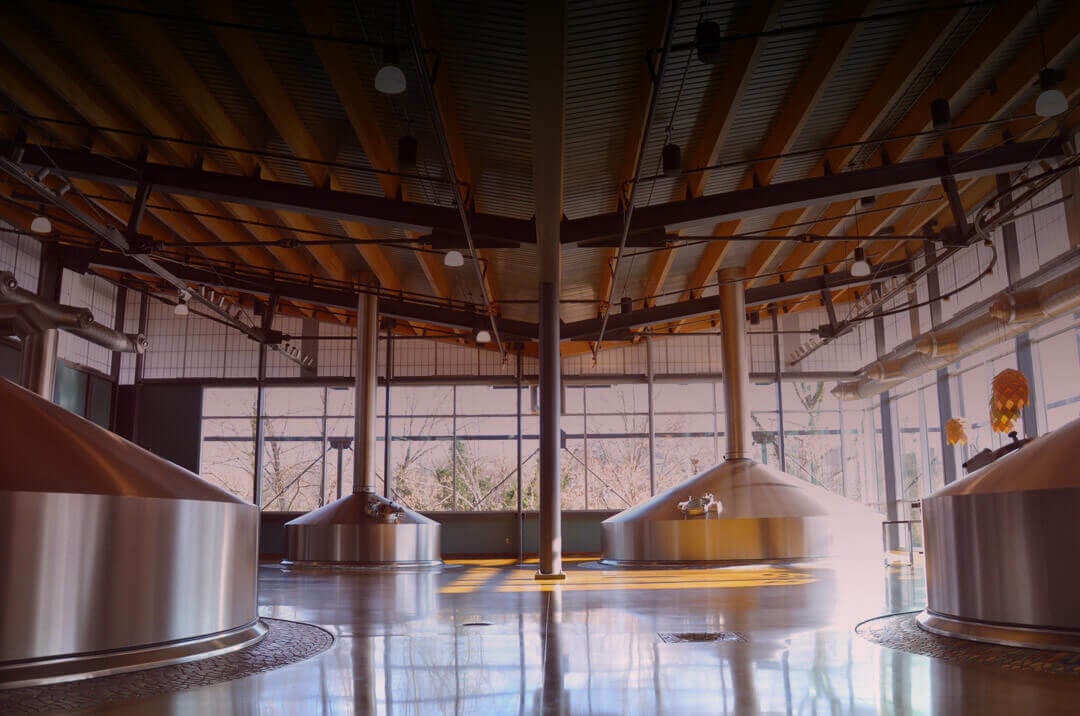
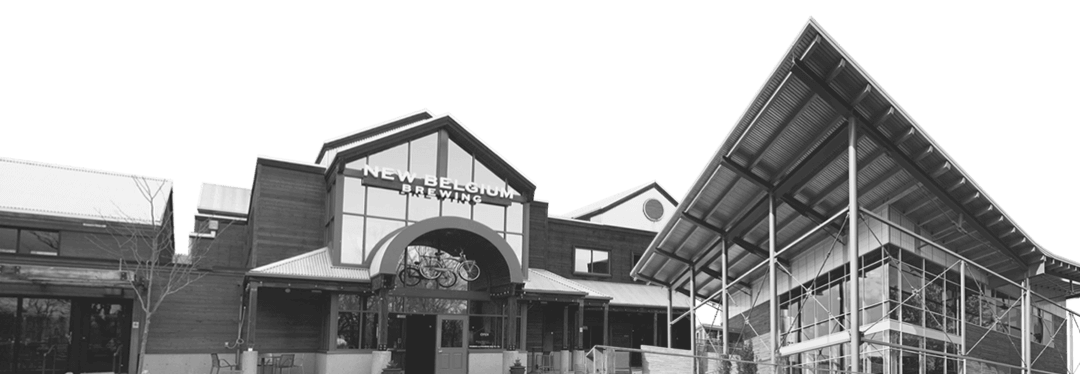
Over the years, we have invested in several energy efficiency technologies. Nearly every room in our two breweries has access to natural light, we’ve improved insulation throughout, and implemented boiler tank technology that drastically reduces our energy use per hectolitre of beer. While both breweries are built to a high level of efficiency, our Asheville brewery is also LEED Certified, receiving Silver, Gold, and Platinum distinctions throughout the campus.
Still, given those investments, our energy efficiency ratios have struggled to improve due to fluctuating capacity utilization and the sheer number of new beers we’ve created. It’s not likely we’ll meet the 2020 goal which is inspiring new approaches within our energy efficiency work at the brewery.